

Vehicle Inspection Report
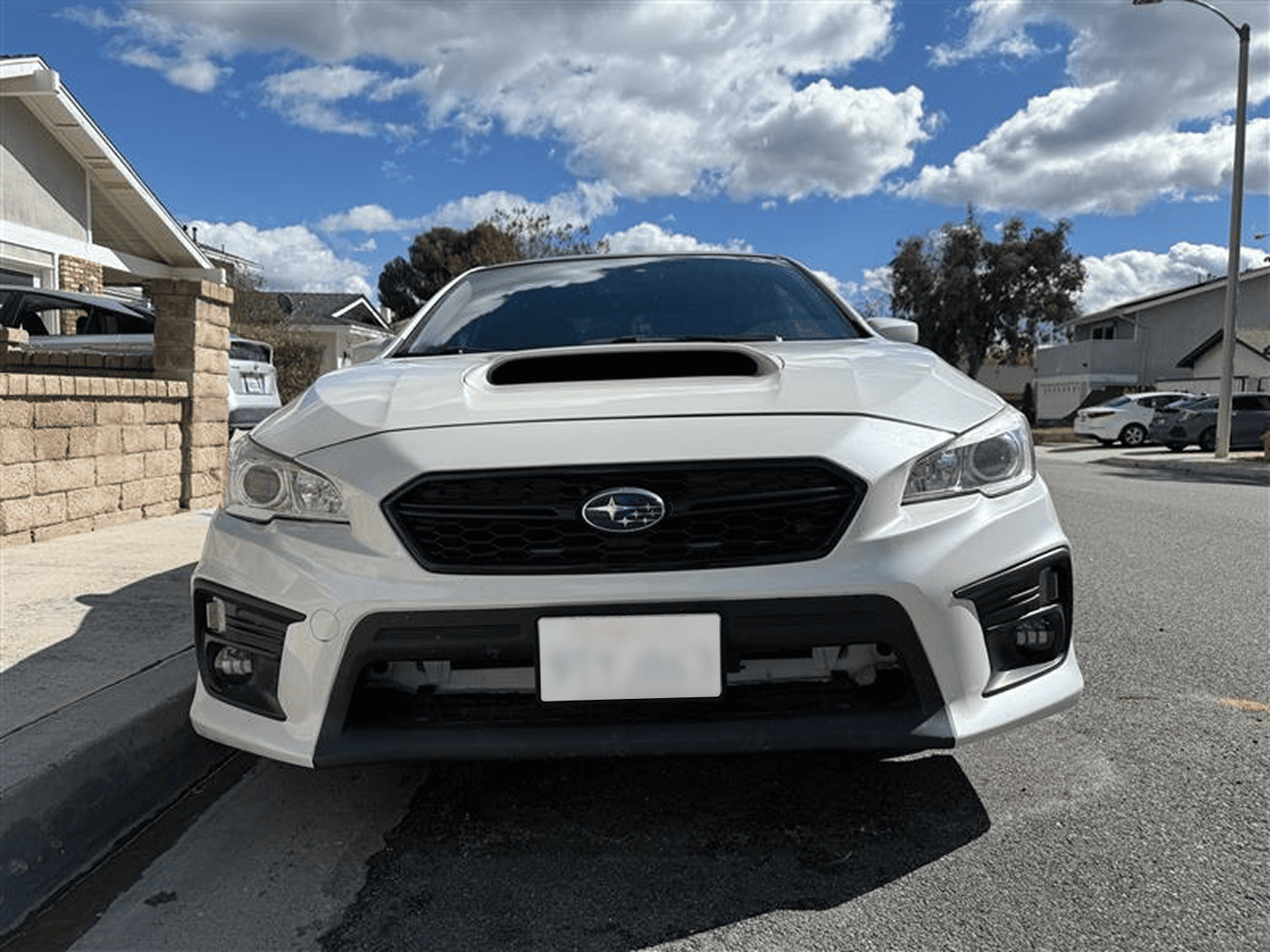
Vehicle Inspection for: 2018 SUBARU WRX
Generated on: 02/20/2026 10:17 AM PST
Invoice Number: ******ic6h5E

VIN:
JF1VA1A64J9837736

Country Of Assembly:
United States

Odometer Reading (Miles):
21,923 (02/21/2026)

Vehicle Type:
SEDAN 4-DR

Vehicle Age:
8 year(s)

Owner have 2 or more Keyless Remotes:
No

Inspection Highlights
Found
Based on the information provided in the Inspection process this vehicle appears to require substantial maintenance and repairs Read full Summary.
71%
Substantial maintenance required.

Exterior

Interior

Test Drive

Drivetrain

Suspension & Steering

Tires & Brakes

Inspection Checklist
Vehicle Information

VIN:
JF1VA1A64J9837736

Year :
2018

Make:
SUBARU

Model:
WRX

Transmission
Manual

Exterior Color:
White

Interior Color:
Black

Odometer Reading (miles):
21,923 (02/21/2026)

Inspection Summary
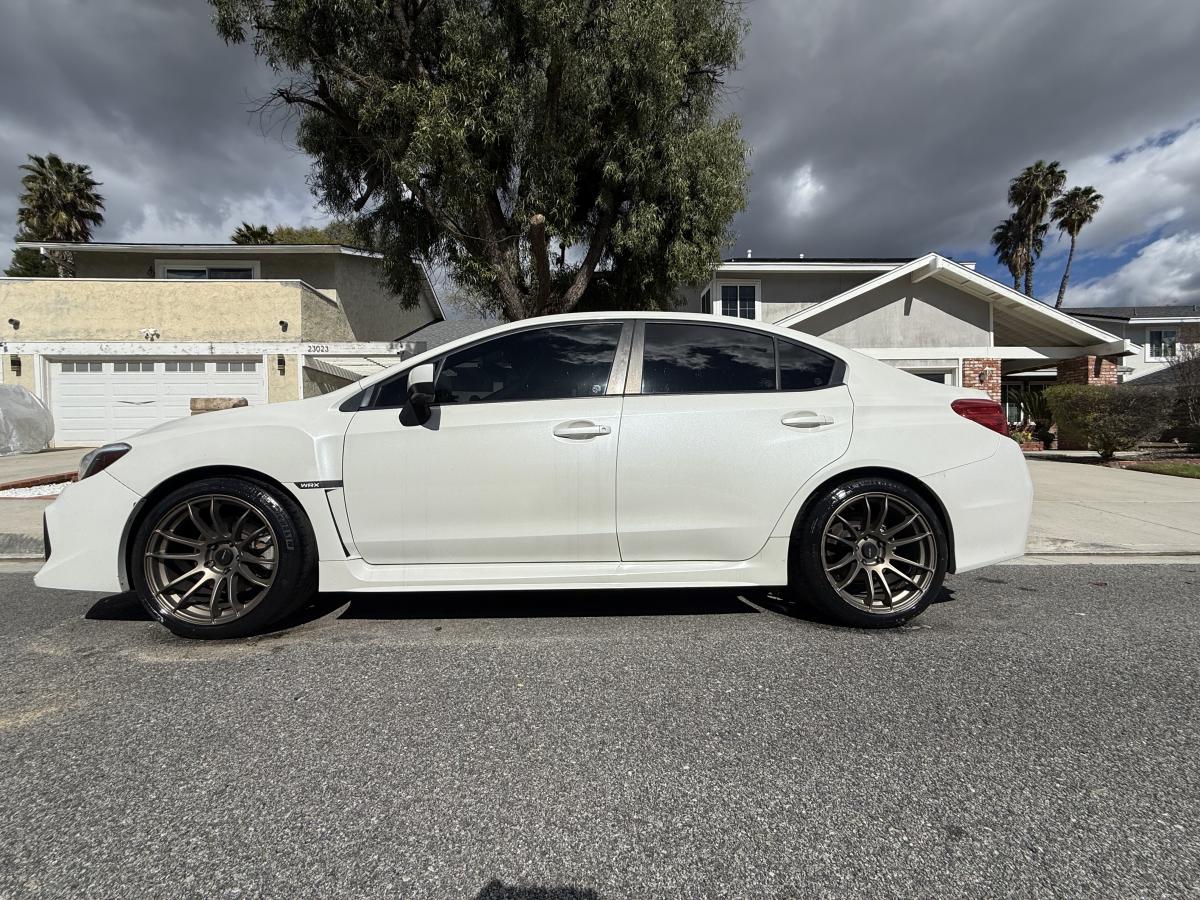
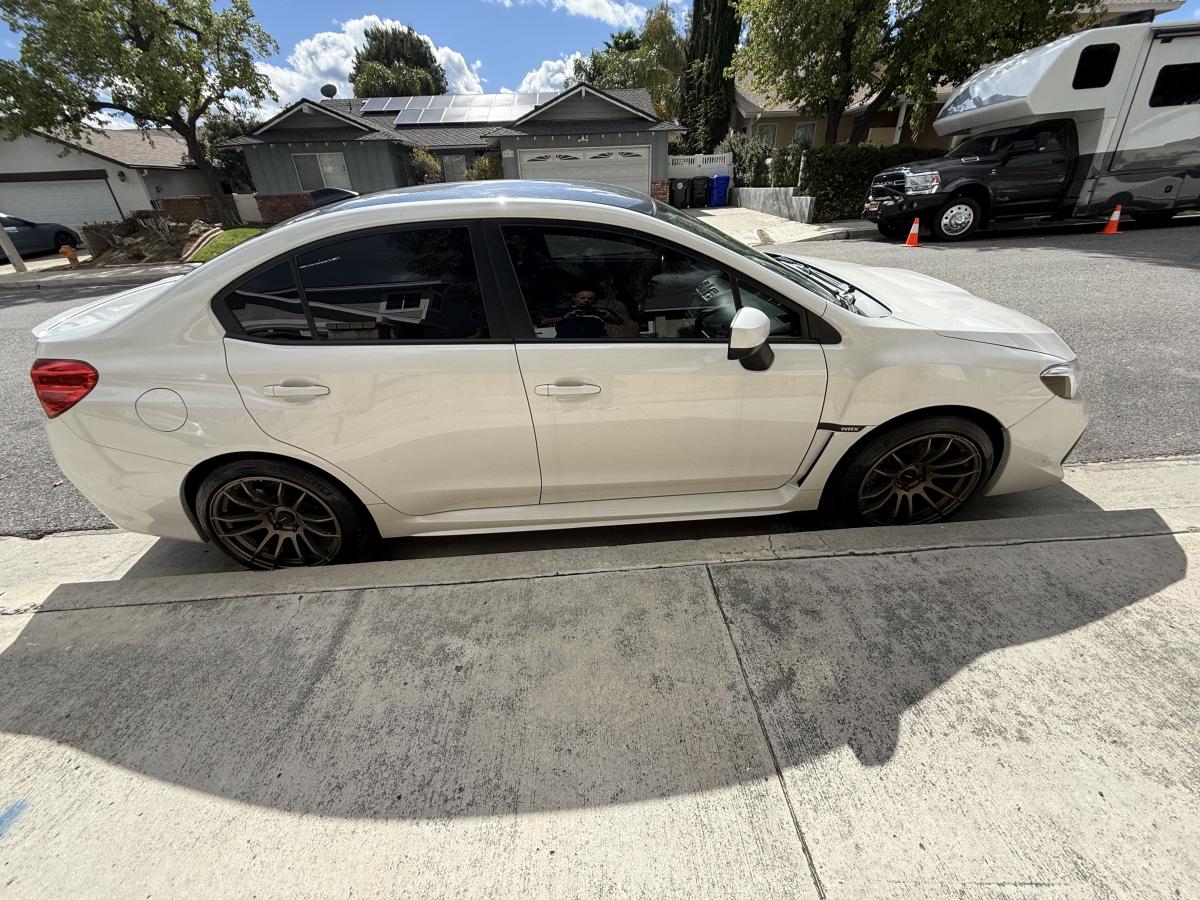
Based on the vehicle’s appearance I was expecting the vehicle to have more mechanical and electrical problems. However, after taking the car on a short test drive it appears that the drivetrain and other major systems are operating as intended. It is my opinion that the car has lived a harsh life with signs of abuse, poorly repaired collision damage and other minor cosmetic issues. The surprising factor is how little the vehicle was driven; it is almost hard to believe that the car has around 22,000 miles on the odometer. If I was to guess this car was probably heavily modified at one point with non carb compliant engine performance modification and has since been restored to mostly its stock form. However, it still has some modifications such as a cat back performance exhaust, custom wheels, performance rear sway bar and LED light conversion which can further reflect on the vehicle’s desirability. I am mainly concerned about the structural damage it has sustained as it may require extensive repairs.
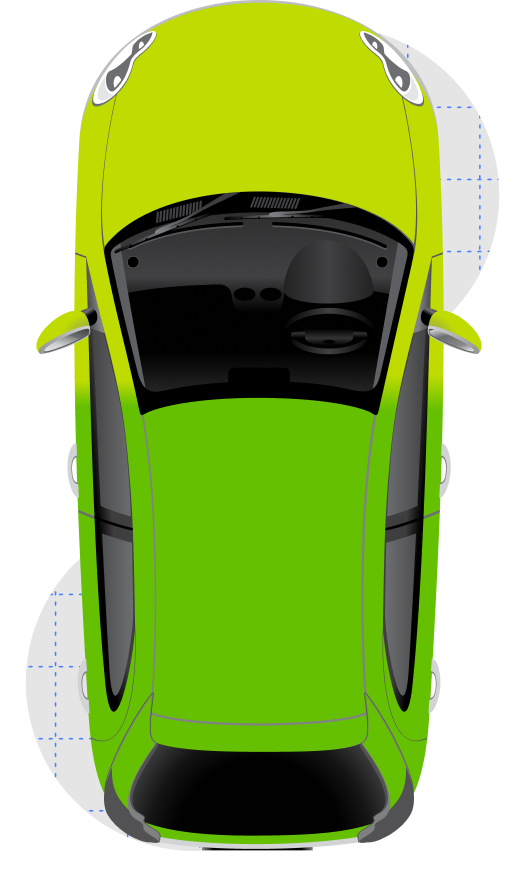
 Body Alignment
Scratches
Dings
Dents
Paint condition, Rust
Bumpers
Frame Damage
Steering Wheel
Seat Condition
Inner Door Panels
Presence of unusual odors
Engine Starting
Battery Condition
Transmission
Exhaust System
Tire Condition
Wheel Condition
Tire Tread
Body Alignment
Scratches
Dings
Dents
Paint condition, Rust
Bumpers
Frame Damage
Steering Wheel
Seat Condition
Inner Door Panels
Presence of unusual odors
Engine Starting
Battery Condition
Transmission
Exhaust System
Tire Condition
Wheel Condition
Tire Tread

All Reported Defects
18 Defects Found
 Exterior
Body Alignment
Exterior
Body Alignment
It appears that the vehicle has signs of previous collision damage, some of the body panels do not align properly. The front bumper, hood and fenders all seem slightly out of alignment.
 Exterior
Scratches
Exterior
Scratches
The vehicle has a lot of minor scratches and some areas where the paint appears that it has flaked off or was scraped off. This includes both left and right fenders and front bumper.

 Exterior
Dings
Exterior
Dings
The car has a few very minor dings on the driver's side front and rear doors as well as on the quarter panel. They do not appear clearly in images however they may be there from previous body work.
 Exterior
Dents
Exterior
Dents
The car has a long dent spanning the entire front portion of the passenger side front fender.
 Exterior
Paint condition, Rust
Exterior
Paint condition, Rust
While the car does not have serious rust issues it has a lot of paint imperfections. There are multiple mismatched painted panels that do not match the vehicles original color.

 Exterior
Bumpers
Exterior
Bumpers
The front bumper is missing the lower grill portion. This is often cut out to relocate the intercooler to increase engine performance however, I suspect the car was reverted to stock prior to sale.


 Exterior
Frame Damage
Exterior
Frame Damage
The vehicle may have some structural damage. The driver side front frame rail appears to have a kink in it. It is possible that the right frame rail is damaged as well but it was not clearly visible.

 Interior
Steering Wheel
Interior
Steering Wheel
The Steering wheel has some pitting, however it has no major damage and it functions as intended.
 Interior
Seat Condition
Interior
Seat Condition
The passenger side of the rear seat has a surface tear, however the remaining seats appear in good condition.

 Interior
Inner Door Panels
Interior
Inner Door Panels
The drivers side door card does not appear firmly installed. It is very likely the door card was removed and improperly reinstalled.
 Interior
Presence of unusual odors
Interior
Presence of unusual odors
The interior has a stale smell, it is possible the car was sitting for a while or it is also possible that the interior is damp from previous water intrusion into the cabin.


 Test Drive
Engine Starting
Test Drive
Engine Starting
The vehicle was a bit slow to start at first, it is possible that it is just a minor issue with the car sitting for so long.

 Drivetrain
Battery Condition
Drivetrain
Battery Condition
While the battery appears relatively new, the car was initially slow to crank so it is possible the battery needs to be replaced, it is also possible to have an alternator problem or be low on power.
 Drivetrain
Transmission
Drivetrain
Transmission
The clutch feels good however, the transmission can be a bit difficult to engage in 1st gear. This is not always an indicator of a serious transmission issue but may require further diagnostics.
 Drivetrain
Exhaust System
Drivetrain
Exhaust System
While there is no immediate issues with the exhaust it is important to note that the car as an aftermarket cat back exhaust which may or may not comply to state laws.

 Tires & Brakes
Tire Condition
Tires & Brakes
Tire Condition
The tires are extremely dry rotted and will need to be replaced immediately.
 Tires & Brakes
Wheel Condition
Tires & Brakes
Wheel Condition
All 4 wheels have a lot of curb rash.


 Tires & Brakes
Tire Tread
Tires & Brakes
Tire Tread
The tires are about 70% worn and dry rotted and should be replaced soon.

Exterior
It appears that the vehicle has signs of previous collision damage, some of the body panels do not align properly. The front bumper, hood and fenders all seem slightly out of alignment.
The vehicle has a lot of minor scratches and some
areas where the paint appears that it has flaked off or was scraped off. This includes both
left and right fenders and front bumper.
The car has a few very minor dings on the driver's side front and rear doors as well as on the quarter panel. They do not appear clearly in images however they may be there from previous body work.
The car has a long dent spanning the entire front
portion of the passenger side front fender.
While the car does not have serious rust issues it has a lot of paint imperfections. There are multiple mismatched painted panels that do not match the vehicles original color.
The front bumper is missing the lower grill portion. This is often cut out to relocate the intercooler to increase engine performance however, I suspect the car was reverted to stock prior to sale.
The vehicle may have some structural damage. The
driver side front frame rail appears to have a kink in it. It is possible that the right frame
rail is damaged as well but it was not clearly visible.
Interior
The Steering wheel has some pitting, however it
has no major damage and it functions as intended.
The passenger side of the rear seat has a surface
tear, however the remaining seats appear in good condition.
The drivers side door card does not appear firmly
installed. It is very likely the door card was removed and improperly reinstalled.
The interior has a stale smell, it is possible the
car was sitting for a while or it is also possible that the interior is damp from previous
water intrusion into the cabin.
Test Drive
The vehicle was a bit slow to
start at first, it is possible that it is just a minor issue with the car
sitting for so long.
Drivetrain
While the battery appears relatively new, the
car was initially slow to crank so it is possible the battery needs to be replaced, it is
also possible to have an alternator problem or be low on power.
The clutch feels good however, the transmission can be a bit difficult to engage in 1st gear. This is not always an indicator of a serious transmission issue but may require further diagnostics.
While there is no
immediate issues with the exhaust it is important to note that the car
as an aftermarket cat back exhaust which may or may not comply to
state laws.
 2% deduction for
mileage.
2% deduction for
mileage.
Suspension & Steering
Tires & Brakes
The tires are extremely dry rotted and will need
to be replaced immediately.
All 4 wheels have a lot of curb rash.
The tires are about 70% worn and dry rotted and
should be replaced soon.
Vehicle Specification
Recall Check

Information Reported: AutoCheck found 2 open recall(s).
It is recommended that this vehicle be taken to the nearest dealer to have the recalled components replaced or fixed.
Campaign Description: Subaru of America, Inc. (Subaru) is recalling certain 2019-2020 Ascent, 2018 Forester, 2018-2020 Impreza, Legacy, Outback, 2018-2019 BRZ, WRX, and Toyota 86 vehicles. The low-pressure fuel pump inside the fuel tank may fail.
Campaign Description: Subaru of America, Inc. (Subaru) is recalling certain 2015-2021 WRX vehicles. The backup light switch may corrode and become inoperative, which can result in the backup lights not illuminating and the rearview camera image not displaying when the vehicle is in reverse.

Helpful Car Buying Tips
Doing your homework and taking the right precautions can help you avoid costly surprises and drive away with confidence.
Here are some essential tips to guide you through the process.
1. Determine what you want and what you can afford
Before you start shopping, determine how much you can comfortably afford, and research vehicle makes and models based on your budget. Also, keep in mind some vehicles cost more to own than others. These factors can drastically impact the vehicle's cost of ownership so, do not forget to factor them in into your decision-making process:
Always keep in mind that the vehicle's sticker price is only part of the total ownership cost. Make sure to budget accordingly for all of the long-term expenses as well.
2. Research the Vehicle's History
Once you have found a vehicle you like take your time and research its history. Always obtain a vehicle history report using the car's VIN (Vehicle Identification Number). This can reveal information not visible to the naked eye. Here are just a few things a vehicle history report can uncover:
3. Get a Pre-Purchase Inspection
While a history report is an important part of the used car buying process it will not clearly identify the vehicle's current condition. It will not disclose every issue especially unreported accidents or undocumented repairs. This is the reason why it is vital to order a professional pre purchase inspection every time. By hiring a BetterWheels vehicle inspector to perform a professional pre-purchase inspection you are making a smart investment. Keep in mind that the trained eye can identify mechanical problems, prior collision repairs, structural damage or hidden issues that the average buyer might easily miss. The money you spend on a professional to inspect the car may end up helping you avoid making a very costly mistake or identify issues that can help you negotiate with the seller for a better price. Regardless how you use the information provided by a pre purchase inspection report it can potentially save you thousands of dollars and provide you a peace of mind before committing to the purchase.
4. Inspect the Vehicle in Person
In some cases, a visual inspection can tell you a lot. While a regular buyer inspection may not replace a professional pre purchase inspection it can be helpful especially if you are one of those handy people that has some basic understanding of vehicle systems. Here are the top things to look for:
5. Review the vehicle's title and documents
Confirm that the VIN on the dashboard, door jamb and engine bay all match the VIN as displayed on the vehicle's title and registration documents. Additionally, request that the seller provides his legal ID so you are able to match the sellers name to the name displayed on the vehicle title. Check the title document carefully, look for any undisclosed brands (salvage, junk, lemon, reconstructed, flood...) and liens.
Always proceed cautiously. High-pressure sales tactics are a red flag. Take your time reviewing paperwork, asking questions and verifying details. A reputable seller will respect your need to make an informed decision.
Finally, once you have reviewed all the documents it is vital to review the sales paperwork, especially if you are buying the vehicle from a used car dealer as some used car dealers tend to add junk fees to the purchase price without prior disclosure. It is vital to:
Final Thoughts
Buying a used car doesn't have to be stressful; by following the above steps and always having the vehicle professionally inspected you can significantly reduce risk and make a confident purchase decision.
Vehicle History Report content will go here.
Report Disclaimer
BetterWheels inspections do not serve as substitutes for state safety inspections or SMOG tests. Scheduling an inspection through the BetterWheels platform does not guarantee that your vehicle will pass a state inspection or SMOG test.
Pre-purchase inspections rely on the Technician's observations and auditory assessments. Factors like weather, lighting, and vehicle cleanliness can affect accuracy, making it harder to spot issues like repainting or bodywork. For the best results, the vehicle should be clean, dry, and well-lit. Technicians do not clean or disassemble vehicles during inspections.
BetterWheels services are based on what you could observe if you had the same expertise as the Technician. Since inspections involve subjective judgment, the Technician's conclusions are their opinion and may differ from yours. Inspections are visual only, without using hoists or tools to dismantle the vehicle, so some issues may not be detectable.
Technicians inspect vehicles at the seller's location, using floor jacks instead of a lift. These inspections are not diagnostic jobs, and no diagnostic equipment is used. While VINs may be identified, their authenticity, history, or title is not verified. Inspections cover only the items listed in the report. If an item is not mentioned in the report, assume it wasn't inspected. Technicians may conduct test drives, if possible, but it's not required. If a test drive isn't noted in the report, it wasn't done.
Inspection reports are not guaranteed or warranted, as the vehicle's condition can change between the inspection and purchase. Technicians can't see inside the engine or transmission and don't dismantle the car, so some problems may not be evident. While Technicians rely on their expertise to perform diagnoses, we cannot guarantee that every issue will be identified during the initial inspection. Sometimes, diagnosing a problem requires a process of elimination-replacing a suspected faulty part to determine if the issue persists.
BetterWheels does not provide advice on a vehicle's value, whether to purchase it, or authenticate its origin. Any decision to purchase is at your own risk. BetterWheels inspections do not ensure a vehicle's emissions compliance or performance, and they do not create any warranty. Your recovery for defects is limited to any warranty the seller may offer.
Our scoring approach is intended to simplify the process of assessing the vehicle's overall condition by factoring multitude of items observed and recorded. Point deductions for individual fault items are calculated based on the percentage each issue represents within its designated category. Additional weighing may also be applied based on the importance of the system in which the fault is found.
For example, minor cosmetic issues typically carry a smaller point deduction than major faults in critical systems such as the drivetrain. However, when multiple cosmetic issues are present, their combined impact may equal or exceed the point deduction associated with a single fault in a more vital system.
In addition to factoring the fault items, the vehicle's mileage is also factored into the vehicle's score to account for normal wear and tear over time. One percentage point is deducted for every 10,000 miles driven, up to the first 100,000 miles. This reflects the expected wear a vehicle experiences during its initial service life. For example, a vehicle with 10,000 miles will receive a one-point deduction, even if it is otherwise in excellent condition. After the first 100,000 miles, an additional five points are deducted for each subsequent 100,000 miles. These deductions are applied in addition to those assessed during the initial 100,000-mile period.
In rare cases, certain vehicles, such as classics or collector models may be considered low mileage for their age even when the odometer exceeds 100,000 miles. However, because our evaluation is based solely on the vehicle's current condition and not its market value, mileage is treated consistently across all vehicles.
Our assessment reflects the principle that the more a vehicle has been driven, the more wear it has likely experienced. That said, vehicles that have been driven very little or left unused for long periods may also show signs of deterioration. Our inspectors take this into account by documenting any visible issues related to lack of use during the inspection.
An inspection is not a warranty or insurance policy. If you purchase a vehicle inspected by BetterWheels, you are responsible for all the repairs and maintenance costs, regardless of other warranties or insurance. The decision to buy remains entirely your responsibility, as does ensuring the vehicle is properly insured and under warranty.